
Scaly Lentinus “Train Wrecker” - (Neolentinus lepideus) Plug Spawn
Scaly Lentinus “Train Wrecker” - (Neolentinus lepideus) Plug Spawn
Couldn't load pickup availability

(Neolentinus lepideus)
Grow a Remarkable Conifer-Loving Mushroom with Restoration Potential
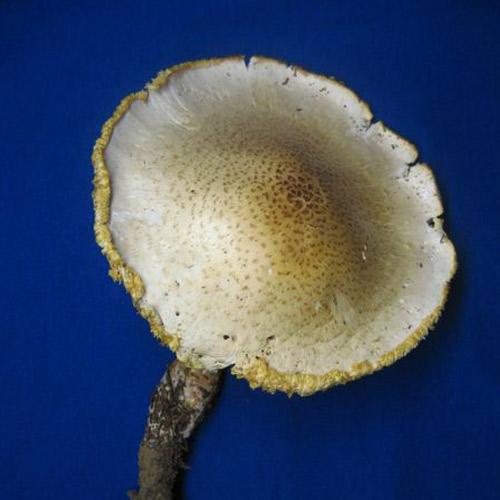
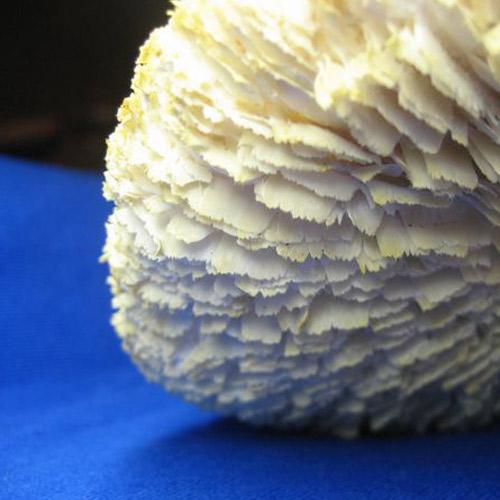
Scaly Lentinus, commonly called the Train Wrecker, is a large, rugged relative of Shiitake that grows on conifer wood rather than the hardwoods preferred by most cultivated gourmet mushrooms.
It earned its memorable nickname after being found fruiting from old railroad ties and other heavily treated wood. That unusual tolerance has made it an interesting species for research involving wood decomposition, conifer recycling, mycoremediation, and fungal responses to treated lumber.
Our strain was isolated from fresh treated lumber with the barcode still attached—an impressive example of this mushroom’s ability to colonize difficult materials.
Each package includes approximately 100 colonized hardwood dowel plugs by weight for inoculating suitable conifer logs or stumps.
🌱 Why You’ll Love It
- 🍄 Grows on pine and other conifer wood
- 🌲 Excellent for conifer stump and buried-log projects
- ♻️ Useful for experimental wood-recycling and habitat-restoration studies
- 🧪 An interesting culture for mycoremediation research
- 🥘 Young mushrooms have a meaty texture and warm, spicy aroma
Why Grow Scaly Lentinus?
Scaly Lentinus is an unusual choice for growers interested in both mushroom cultivation and ecological experimentation.
It is valued because it is:
🌲 Adapted to Conifers
Unlike Shiitake and many other plug-grown mushrooms, Scaly Lentinus naturally colonizes pine and other coniferous wood.
♻️ Useful for Wood Recycling
Its vigorous growth makes it an interesting candidate for breaking down conifer logs, stumps, and wood chips.
🧪 Fascinating for Research
This species has been observed growing on treated wood, making it useful for studies involving fungal tolerance, decomposition, mycofiltration, and experimental remediation systems.
🍄 Distinctive and Unusual
Its large, scaly caps and ability to grow from difficult substrates make it one of the most memorable species in a mushroom garden or research plot.
🍽️ What Does Scaly Lentinus Taste Like?
Young Scaly Lentinus mushrooms may have a:
- Meaty texture
- Mildly spicy flavor
- Warm aroma sometimes compared to cinnamon
- Firm, substantial bite
Only young, tender specimens are generally considered suitable for cooking. Older mushrooms become tough and woody.
Important: Never eat mushrooms grown on treated lumber, railroad ties, contaminated soil, remediation materials, or substrates that may contain heavy metals, pesticides, preservatives, or other chemicals.
🌲 Where Can I Grow It?
Scaly Lentinus is suited to conifer wood, including:
- Pine stumps
- Buried pine logs
- Other suitable conifer logs
- Conifer wood chips in experimental projects
- Recently cleared conifer sites
- Habitat-restoration areas
For standard cultivation, use clean, untreated conifer wood.
Place inoculated logs or stumps in a shaded location where the wood can retain moisture without remaining waterlogged.
What Makes It Special?
Scaly Lentinus has been found colonizing materials that many fungi cannot easily tolerate.
This makes it an interesting species for experimental work involving:
- Conifer stump decomposition
- Conifer-chip composting
- Habitat-renewal projects
- Fungal tolerance to wood preservatives
- Treated-lumber degradation research
- Mycoremediation and mycofiltration studies
These applications are experimental. The effectiveness and safety of any remediation project depend on the contaminants involved, the design of the system, and appropriate testing of the finished material.
Wood that has been exposed to preservatives or contaminants should not automatically be considered safe for garden or food-production use.
What to Expect
- Outdoor logs and stumps commonly require approximately 8–12 months or longer to colonize.
- Scaly Lentinus prefers warm fruiting conditions.
- Fruiting generally occurs between approximately 65–80°F.
- Young mushrooms are more tender than mature specimens.
- Established wood may fruit for several seasons as it decomposes.
- Growth rate depends on wood species, log size, moisture, climate, and placement.
This species is best suited to growers comfortable working with an unusual mushroom whose primary value may be ecological, educational, or experimental.
🍄 How to Grow: Quick Overview
- Select clean, healthy, untreated conifer logs or stumps.
- Drill holes in a diamond pattern across the wood.
- Insert one colonized plug into each hole.
- Seal the holes with wax.
- Place logs in a shaded, humid outdoor location.
- Partially bury logs if additional moisture retention is needed.
- Keep the wood from drying out during colonization.
- Watch for fruiting during warm seasonal weather.
Shipping & Freshness
- Includes approximately 100 colonized plugs by weight
- Available year-round
- Produced fresh for vigorous colonization
- Refrigerate until ready to use
- Do not freeze
📚 Need Help Getting Started?
ARTICLES
-
Ultimate Guides: Growing Mushrooms on Logs
-
Log Mushroom Cultivation Troubleshooting Guide
- Zone Fruiting Map
INSTRUCTIONS
