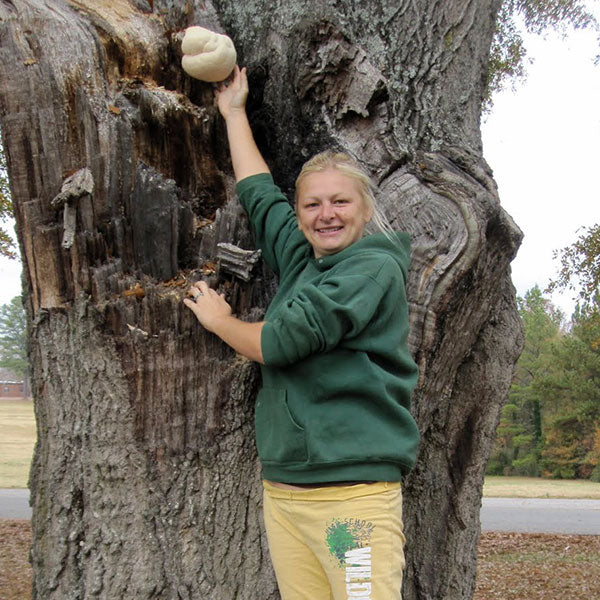


Lion's Mane Mushroom Plug Spawn - (Hericium spp.)
Lion's Mane Mushroom Plug Spawn - (Hericium spp.)
Couldn't load pickup availability

(Hericium spp.)
Grow Gourmet Lion’s Mane Mushrooms on Logs
Lion’s Mane mushrooms are some of the most unusual and rewarding gourmet mushrooms you can grow. Instead of caps and gills, they produce beautiful white spines and branching coral-like formations with a tender texture and flavor often compared to crab or lobster.
Each package includes approximately 100 hardwood plugs by weight, fully colonized with vigorous Hericium mycelium and ready to inoculate freshly cut logs.
Choose from four distinctive varieties, including classic Pom Pom Lion’s Mane, branching hardwood species, and a specialty variety for conifer logs.
🌱 Why You’ll Love It
- 🍄 Produces beautiful, tooth-covered mushrooms
- 🦀 Tender texture and flavor similar to crab or lobster
- 🌳 Creates a long-term mushroom garden from fresh logs
- 🌿 Includes hardwood and conifer-growing varieties
- 🥘 Excellent sautéed, fried, roasted, or made into mock crab cakes
Why Grow Lion’s Mane Mushrooms?
Lion’s Mane is one of the most recognizable and sought-after gourmet mushrooms.
It is loved because it is:
🍽️ Delicious
Lion’s Mane has a tender, slightly sweet flavor often compared to seafood.
🌳 Long Lasting
Once fully colonized, logs may produce mushrooms for several years.
🍄 Beautiful to Grow
Hericium mushrooms form cascading spines and coral-like branches instead of traditional caps and gills.
🌿 Naturally Adaptable
Choose from varieties that grow on hardwoods or conifers, depending on the logs available to you.
🍽️ What Does Lion’s Mane Taste Like?
Lion’s Mane has a tender, slightly sweet flavor commonly compared to crabmeat or lobster.
Perfect for:
- Mock crab cakes
- Sautéing with butter and garlic
- Frying
- Pasta
- Risotto
- Soups
- Roasting
- Seafood-style dishes
Tear the mushroom into strands before cooking to create a texture similar to crabmeat.
🌳 Where Can I Grow It?
Pom Pom, Tufted, and Coral Tooth grow on hardwood logs, including:
- Oak
- Black walnut
- Beech
- Elm
- Maple
- Cherry
Conifer Coral is specifically intended for conifer logs and stumps, including:
- Fir
- Douglas fir
- Other suitable conifers
Choose your variety based on the type of wood available.
🍄 Choose Your Variety
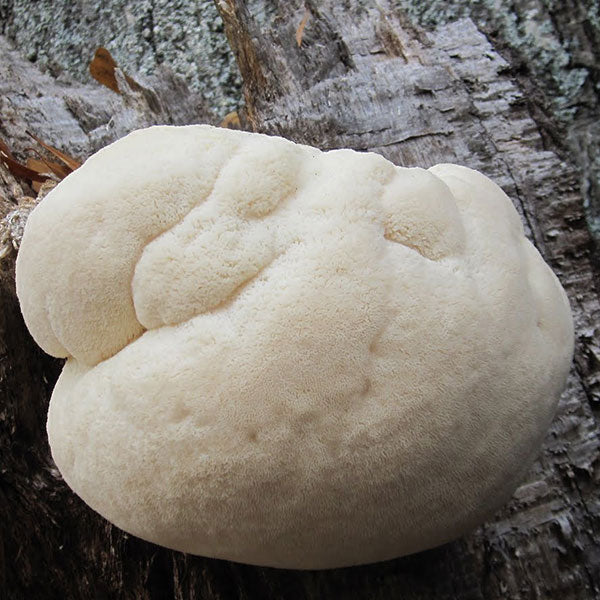
Pom Pom
Hericium erinaceus
The classic Lion’s Mane mushroom.
- Forms a rounded ball covered in cascading white spines
- Tender texture and seafood-like flavor
- Excellent for frying, sautéing, and mock crab cakes
- Grows on suitable hardwood logs
Fruiting temperatures: 50–65°F
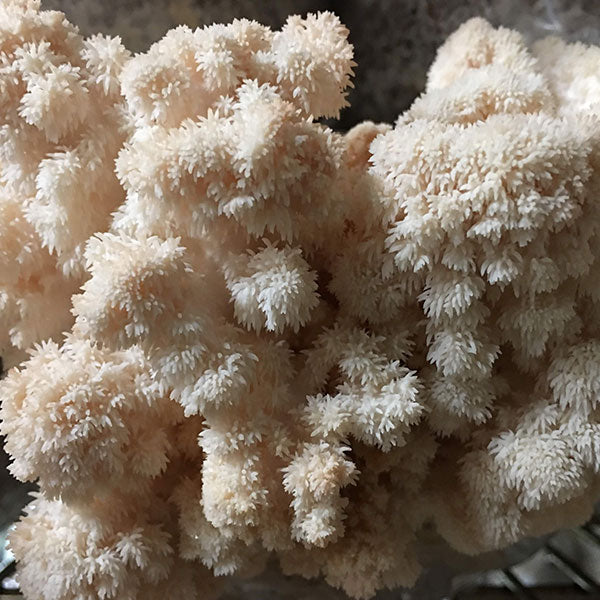
Tufted
Hericium americanum
A branching Lion’s Mane with beautiful clustered formations.
- Produces tight branches rather than one solid ball
- Similar flavor and texture to classic Lion’s Mane
- Excellent in pasta and seafood-style dishes
- Grows on suitable hardwood logs
Fruiting temperatures: 50–65°F
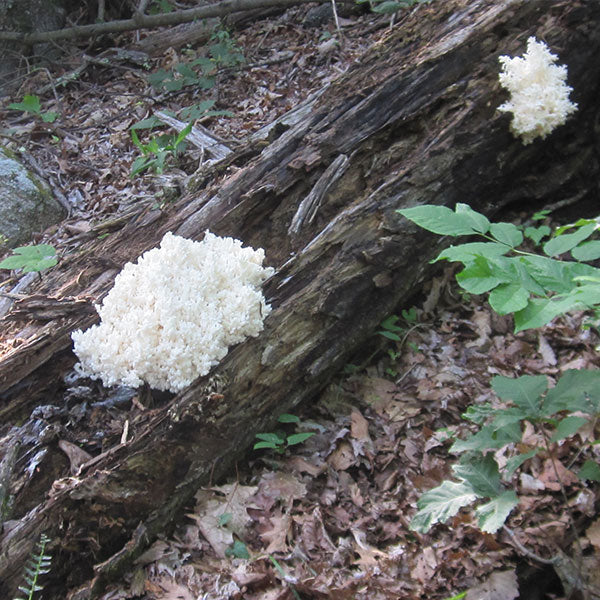
Coral Tooth
Hericium corraloides
A delicate Hericium species with a beautiful coral-like appearance.
- Forms finely branching fruiting bodies
- More delicate and crumbly when harvested
- Slightly sweeter than Pom Pom
- Grows on suitable hardwood logs
Fruiting temperatures: 50–65°F
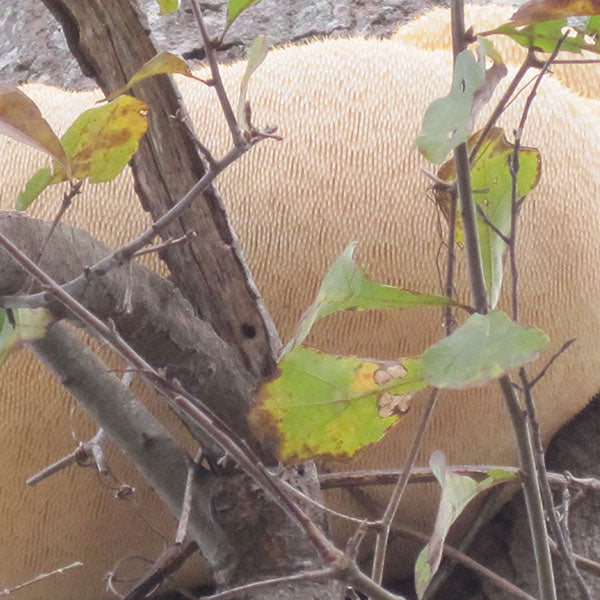
Conifer Coral
Hericium abietis
A specialty Hericium adapted to conifer wood.
- Produces large cream-white branching fruiting bodies
- Grows on conifer logs and stumps
- Suitable for fir and Douglas fir
- A great option for growers without access to hardwood logs
Fruiting temperatures: 65–75°F
What to Expect
- Lion’s Mane logs commonly require approximately 9–18 months to colonize.
- Fruiting usually occurs during cool, moist weather.
- Established logs may continue producing mushrooms for several years.
- Lion’s Mane can be slower to establish than oyster mushrooms, but the harvest is worth the wait.
🍄 How to Grow: Quick Overview
- Select freshly cut logs suitable for your chosen variety.
- Drill holes in a diamond pattern around each log.
- Insert one colonized plug into each hole.
- Seal the holes with wax.
- Place the logs in a shaded, humid outdoor location.
- Keep the logs from drying out while the mycelium colonizes.
- Wait for seasonal moisture and temperature changes to encourage fruiting.
Shipping & Freshness
- Includes approximately 100 colonized plugs by weight
- Available year-round
- Produced fresh for vigorous colonization
- Refrigerate until ready to use
- Do not freeze
📚 Want Step-by-Step Instructions?
ARTICLES
-
Best Mushrooms for Anxiety: Top 5 Medicinal Mushrooms for Stress Relief
- It's Lion's Mane Season
- Log Mushroom Cultivation Troubleshooting Guide
- Zone Fruiting Map
INSTRUCTIONS
Tufted: Produces branching clusters on hardwoods
Coral Tooth: Delicate, coral-shaped mushrooms on hardwoods
Conifer Coral: Designed for fir, Douglas fir, and other suitable conifers