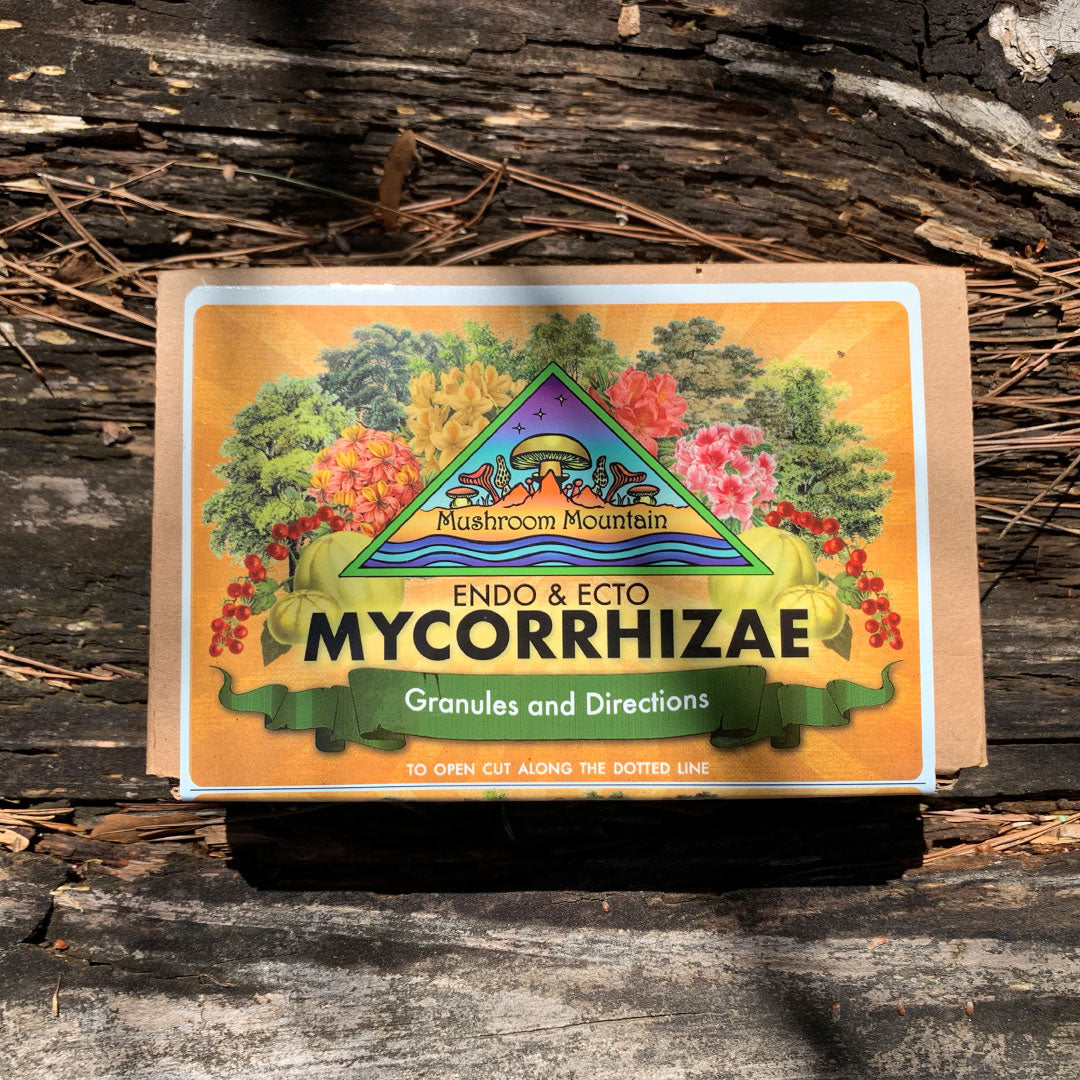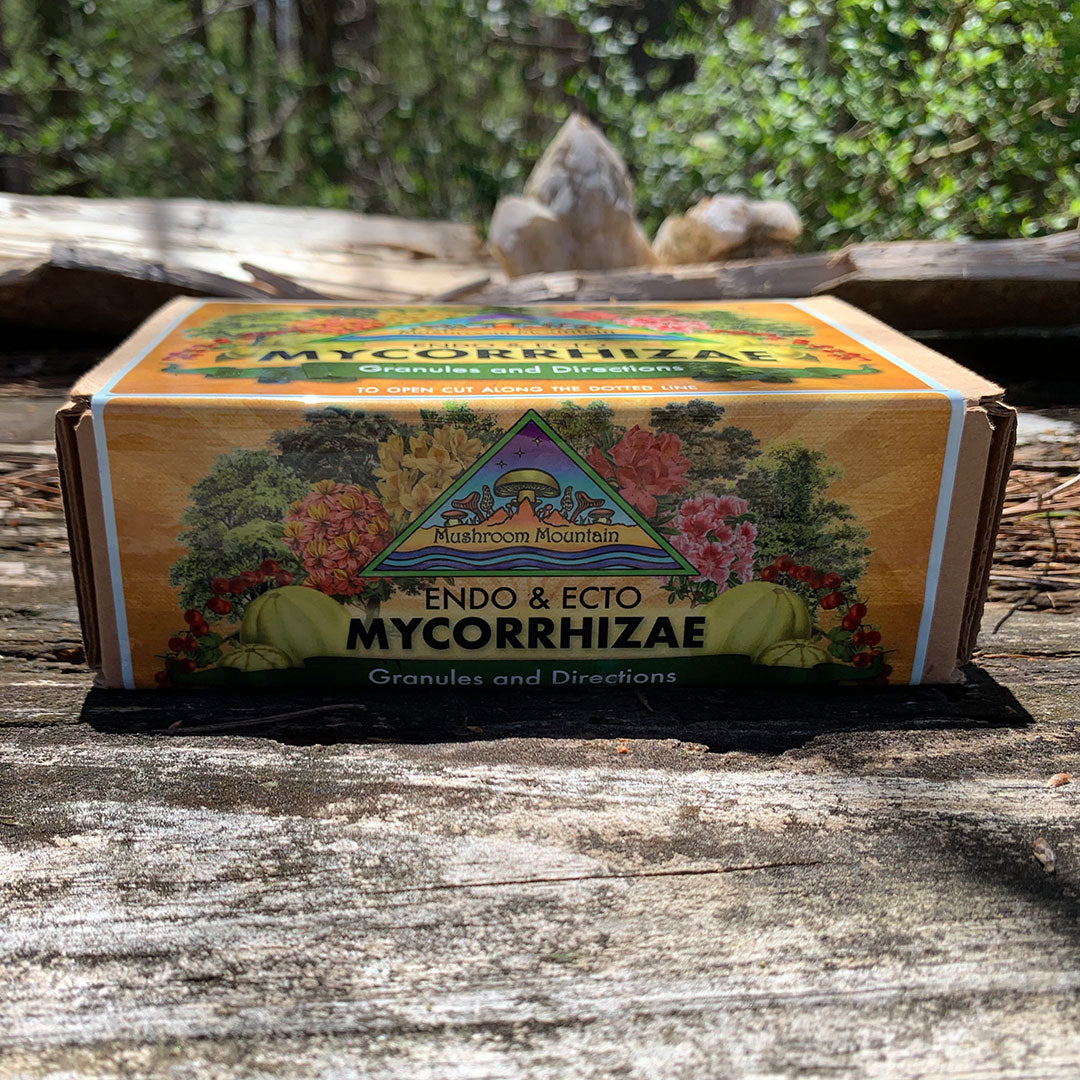


Mycorhizzal Granules
Mycorhizzal Granules
Couldn't load pickup availability
Build Better Roots with Beneficial Fungi
Healthy plants start below ground.
Our Mycorrhizal Granules contain a broad-spectrum blend of endomycorrhizal and ectomycorrhizal fungi designed to establish beneficial relationships with the roots of compatible plants.
Once established, mycorrhizal fungi extend beyond the plant's own root system through networks of microscopic fungal hyphae. This expanded network can help plants access water and nutrients from a greater volume of soil, supporting stronger root development and overall plant health.
Use them when planting vegetables, fruit trees, perennials, landscape plants, seeds, bulbs, and other compatible plants.
🌱 What Are Mycorrhizal Fungi?
Mycorrhizae are beneficial fungi that form relationships with plant roots.
The plant provides the fungi with carbohydrates produced through photosynthesis. In exchange, the fungi extend their microscopic network into the surrounding soil, helping the plant access resources that its roots may otherwise have difficulty reaching.
It's one of nature's oldest partnerships — plants feeding fungi and fungi helping feed plants.
🌿 Why Use Mycorrhizal Granules?
Mycorrhizal fungi can help support:
- More extensive root systems
- Improved access to soil nutrients
- Improved phosphorus uptake
- Improved water uptake
- Better establishment after planting or transplanting
- Greater root-soil biological activity
- More efficient use of available soil resources
🌳 Endo + Ecto for Broad-Spectrum Use
Different plants associate with different types of mycorrhizal fungi.
This formula contains both endomycorrhizal and ectomycorrhizal fungi, making it useful across a broad range of compatible garden and landscape plants.
🌱 Apply Where It Matters: The Roots
Mycorrhizal fungi need contact with living roots to establish.
For best results, apply the granules directly around seeds, young roots, root balls, or planting holes rather than simply broadcasting them over the soil surface.
Young plants and new transplants are particularly convenient times for inoculation because the fungi can establish as the root system develops.
🍅 Great For
- Vegetable gardens
- Fruit trees
- Perennials
- Trees and shrubs
- Seeds and seedlings
- Bulbs and tubers
- New landscape installations
- Bare-root plants
- Garden beds
- Sod and turf
🍄 What's Inside
Each 1 lb package contains a blend of volcanic rock, mycorrhizal propagules, and organic fertilizer.
The blend contains 12 endomycorrhizal and ectomycorrhizal fungi for broad-spectrum application.
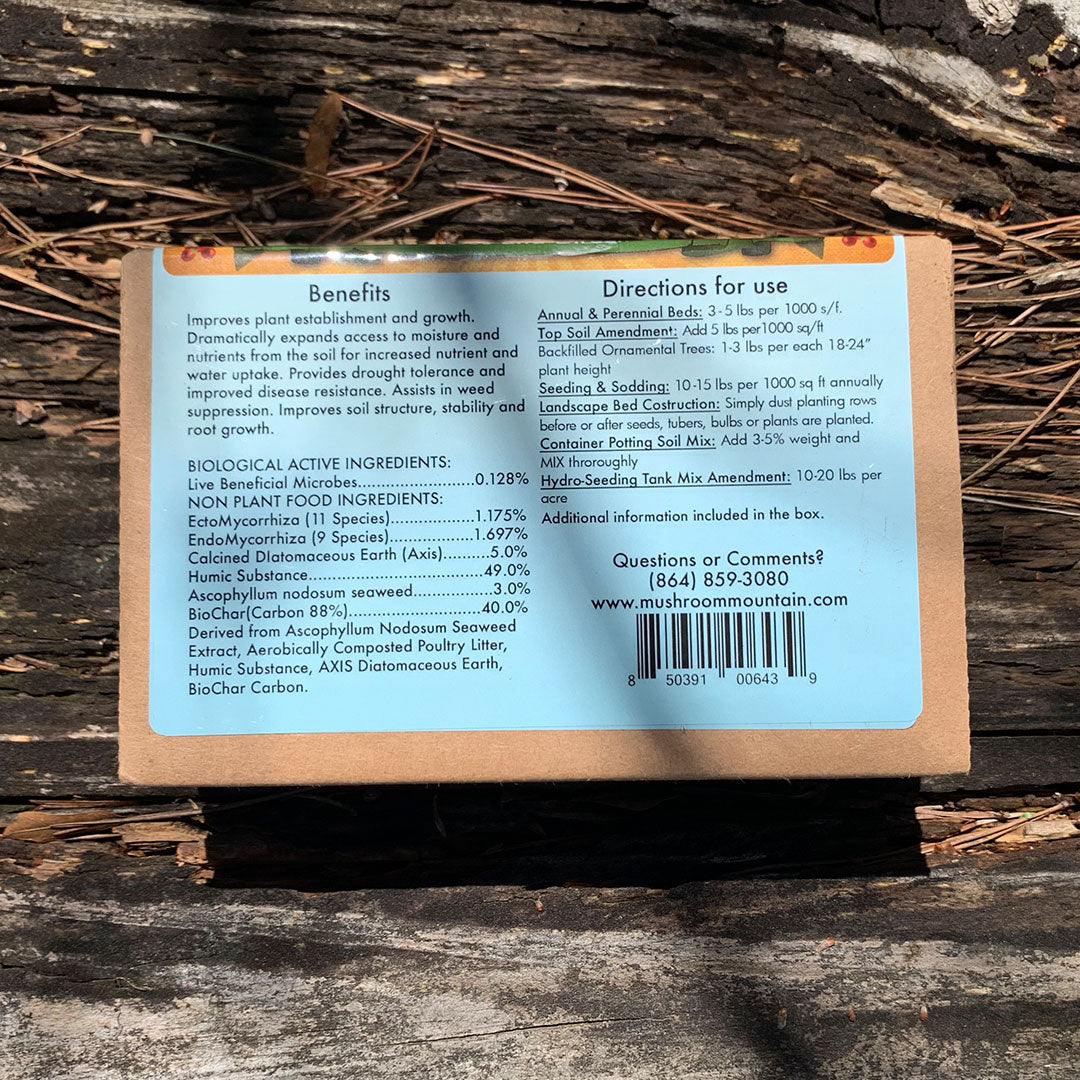
📏 Application Rates
Plant Installations
Apply according to plant or container size, placing the granules where they will contact the root system.
Planting Beds
10 lb per 1,000 sq. ft.
Bare-Root Dip
1 lb per 1,000 seedlings or approximately 500 1-inch bare-root whips.
Seeding & Sodding
Apply 3 lb per 1,000 sq. ft. and incorporate into the soil.
Soil & Growing Media
Mix 2–5 lb per cubic yard.
Field Planting
Dust planting rows before or during planting so the granules are positioned near seeds, tubers, bulbs, or plant roots.
📦 What's Included
Net Weight: 1 lb
Contains: Endomycorrhizal and ectomycorrhizal fungi, volcanic mineral carrier, and organic fertilizer.