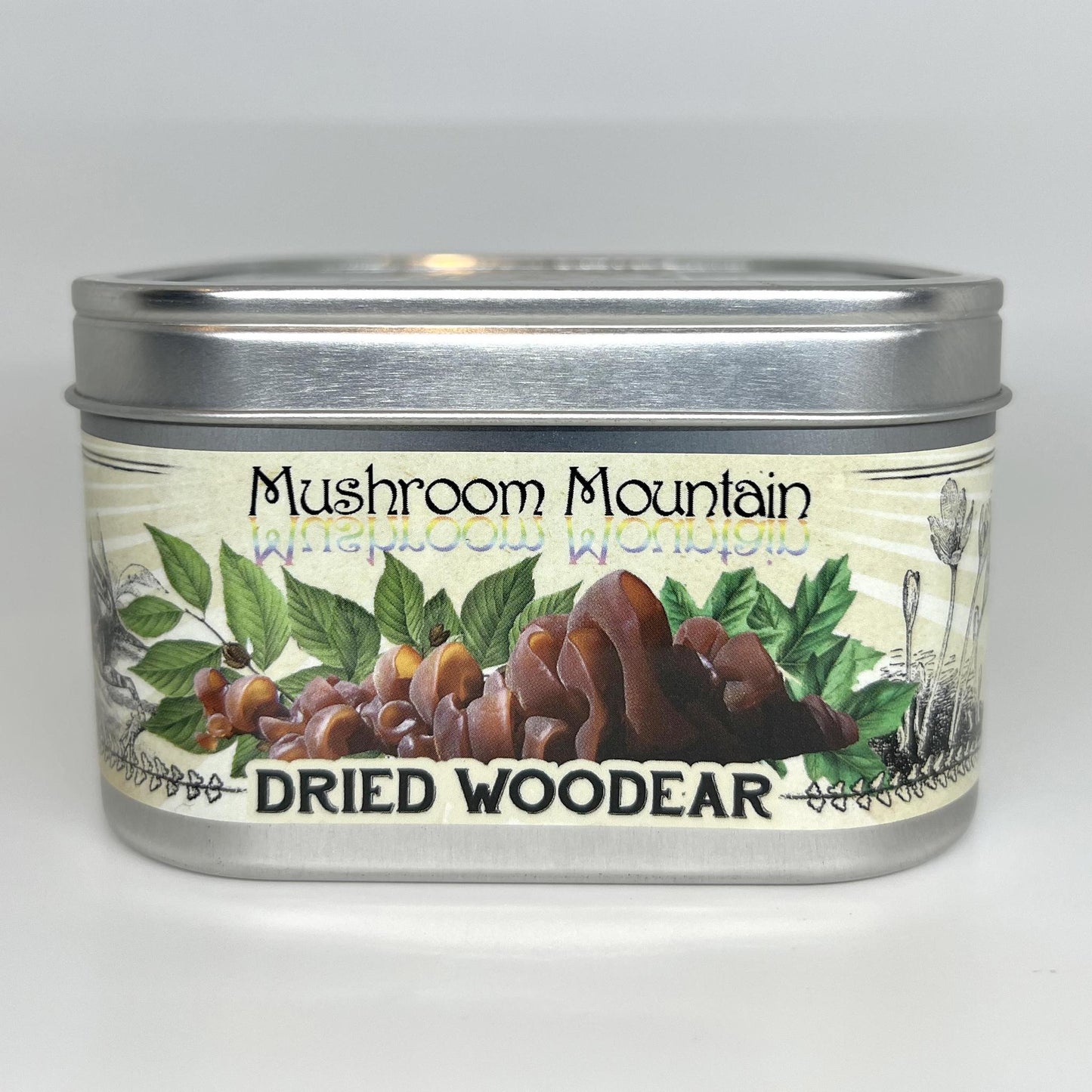


DRIED WOOD EAR MUSHROOMS
DRIED WOOD EAR MUSHROOMS
Couldn't load pickup availability
The Mushroom You Eat for the Crunch
Wood Ear mushrooms aren't really about bold mushroom flavor—they're about that fantastic crisp, springy, almost snappy texture that makes them such a staple in Asian cooking.
Also known as black fungus, cloud ear, or tree ear mushrooms, Wood Ears have a mild, neutral flavor that eagerly absorbs whatever you cook them with. Toss them into a spicy stir-fry, hot and sour soup, ramen, dumplings, or a cold dressed salad, and they soak up all those surrounding flavors while keeping their signature crunch.
If you've ever eaten a bowl of hot and sour soup and wondered, What is that wonderfully crunchy mushroom? There's a good chance you've already met Wood Ear.
🍄 Why You'll Love Them
- 🥢 That Crunch! – Wood Ears have a wonderfully crisp, slightly chewy texture that holds up beautifully during cooking.
- 🍲 Soaks Up Flavor – Their mild flavor makes them a perfect carrier for soy sauce, sesame oil, ginger, garlic, chili, broth, and other bold seasonings.
- 🌏 A Classic Asian Ingredient – Widely used in Chinese and other Asian cuisines in soups, stir-fries, noodle dishes, dumplings, and salads.
- 💧 Rehydrates Beautifully – Dried Wood Ears expand considerably when soaked and regain their characteristic flexible, crunchy texture.
- 🌿 Naturally Simple – Just dried mushrooms with no need for complicated preparation.
What Do Wood Ear Mushrooms Taste Like?
Wood Ear mushrooms have a very mild, almost neutral flavor.
And that's exactly the point.
Instead of dominating a dish, they absorb the flavors around them. Their real culinary superpower is texture: crunchy, springy, slightly chewy, and remarkably resistant to becoming mushy.
That makes them fantastic in dishes where you want contrast.
💧 How to Rehydrate Wood Ear Mushrooms
- Place the dried Wood Ears in a large bowl.
- Cover generously with hot water.
- Soak for approximately 20–30 minutes, or until completely expanded and tender.
- Drain and rinse thoroughly.
- Trim away any hard or woody attachment points.
- Slice or tear into bite-sized pieces.
- Cook thoroughly before eating.
Give them room! Wood Ear mushrooms expand significantly as they rehydrate, so don't be alarmed when your modest little pile of dried mushrooms suddenly becomes considerably less modest. 🍄
🍳 How to Use Them
Wood Ears are incredibly versatile. Try them in:
- Hot and sour soup
- Ramen and noodle bowls
- Stir-fries
- Fried rice
- Dumpling fillings
- Asian-style cucumber salads
- Vegetable soups
- Hot pot
- Spring rolls
- Spicy cold mushroom salads
They pair especially well with soy sauce, sesame oil, rice vinegar, garlic, ginger, scallions, chili, cucumber, cabbage, tofu, pork, and chicken.
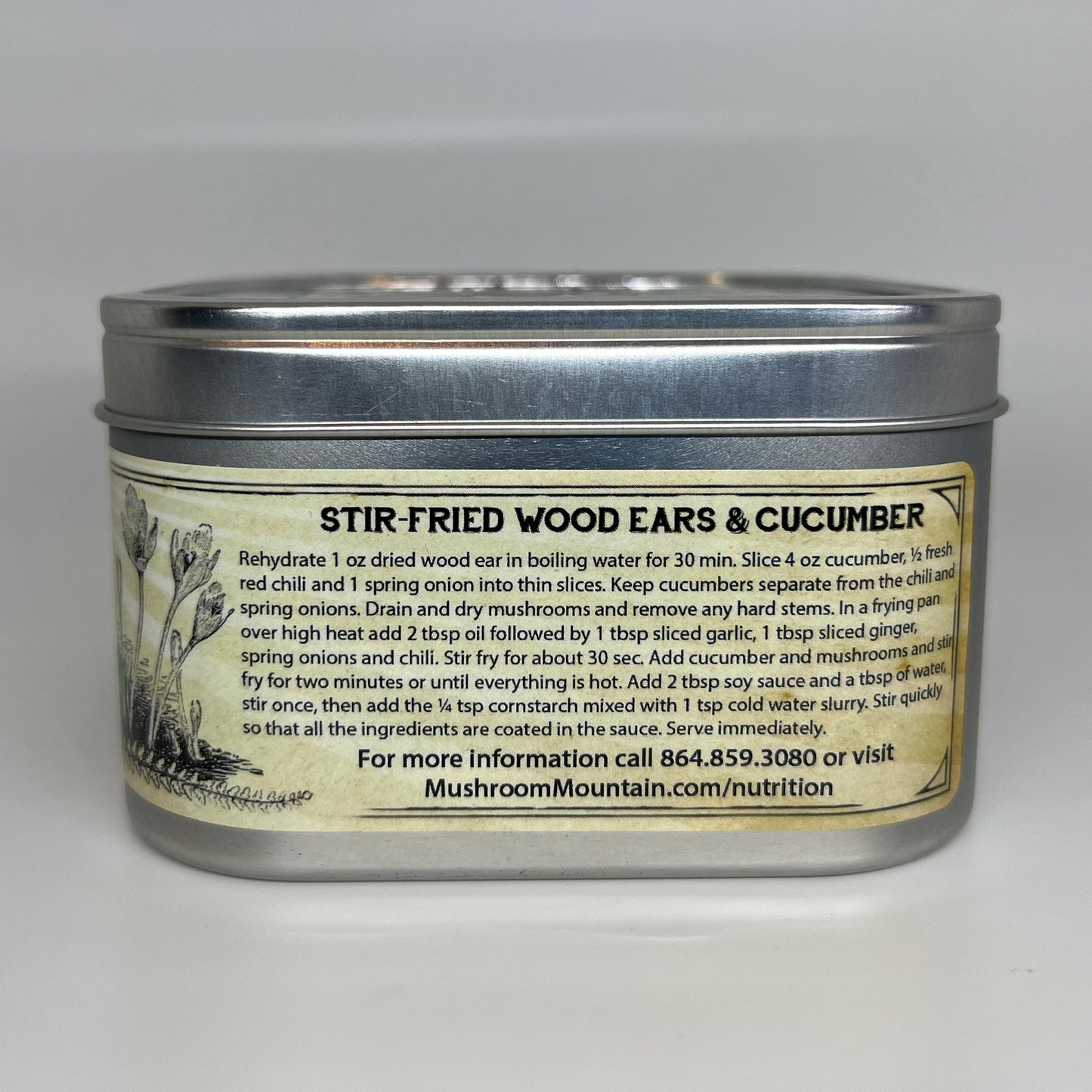
🥒 Stir-Fried Wood Ears & Cucumber
Ingredients
1 oz dried Wood Ear mushrooms
4 oz cucumber, thinly sliced
½ fresh red chili, thinly sliced
1 spring onion, thinly sliced
1 tbsp sliced garlic
1 tbsp sliced fresh ginger
2 tbsp cooking oil
2 tbsp soy sauce
1 tbsp water
¼ tsp cornstarch mixed with 1 tsp cold water
Directions
Rehydrate the Wood Ear mushrooms in hot water for approximately 30 minutes. Drain, rinse well, and trim away any hard attachment points.
Heat the oil in a frying pan or wok over high heat. Add the garlic, ginger, spring onion, and chili and stir-fry for about 30 seconds.
Add the cucumber and Wood Ear mushrooms and stir-fry for approximately 2 minutes.
Add the soy sauce and 1 tablespoon water. Stir, then add the cornstarch slurry.
Toss quickly until everything is lightly coated and the sauce has thickened.
Serve immediately while everything is hot and crunchy.
📦 Product Information
Ingredients: Dried Wood Ear Mushrooms
Source: USA and Europe
Net Weight: 1 oz (28 g)