

Devil's Urn Plug Spawn - (Urnula craterium)
Devil's Urn Plug Spawn - (Urnula craterium)
Couldn't load pickup availability

(Urnula craterium)
Grow One of Spring's Most Fascinating Woodland Fungi
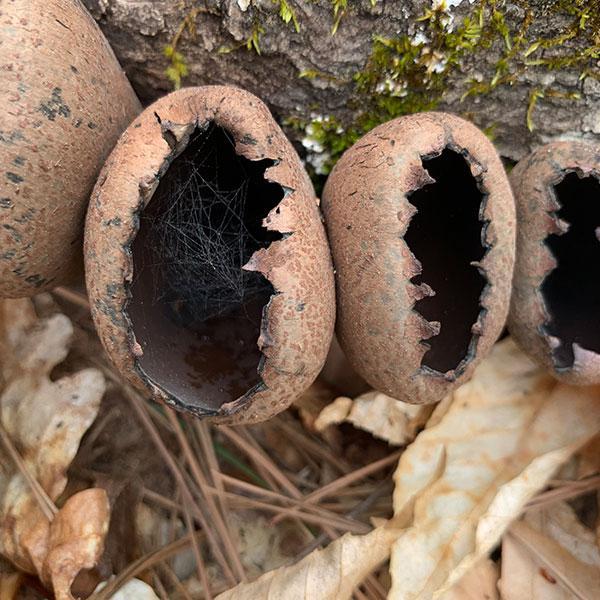
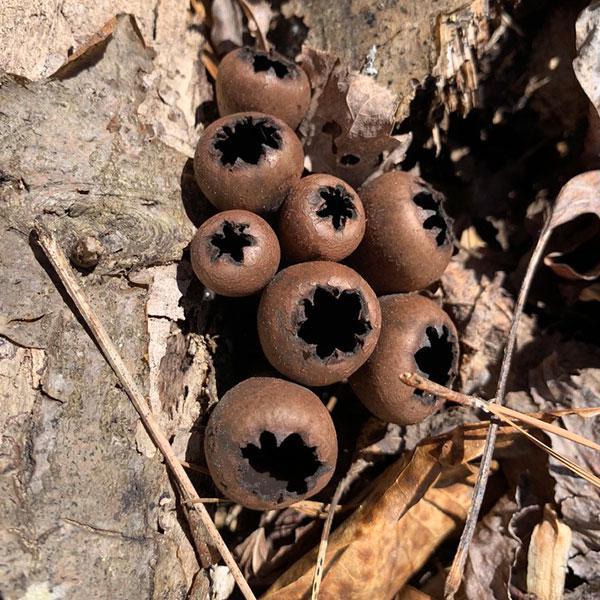
Devil's Urn is one of the first mushrooms to emerge each spring, often appearing just as morel season begins. Its dark, goblet-shaped fruiting bodies stand out against the forest floor and have become a favorite "indicator species" for mushroom hunters—when Devil's Urns appear, many foragers know it's time to start searching for morels.
Each package includes approximately 100 colonized hardwood plugs by weight, ready to inoculate hardwood logs for long-term outdoor cultivation.
Whether you're interested in spring woodland ecology, unique fungi, or adding another fascinating species to your mushroom garden, Devil's Urn is unlike anything else you'll grow.
🌱 Why You'll Love It
- 🍄 One of the earliest mushrooms to appear each spring
- 🌳 Grows on hardwood logs and sticks
- 🌿 Native North American woodland species
- 🧺 Often considered an indicator of morel season
- 📸 A striking conversation piece for woodland mushroom gardens
Why Grow Devil's Urn?
Devil's Urn isn't grown because it's a gourmet mushroom—it's grown because it's one of the most fascinating fungi in the forest.
It is valued because it is:
🌸 An Early Spring Mushroom
Devil's Urn often appears before many other woodland mushrooms begin fruiting.
🍄 A Classic Morel Indicator
Many experienced mushroom hunters watch for Devil's Urn as one of the natural signs that morel season is beginning.
🌳 Perfect for Woodland Gardens
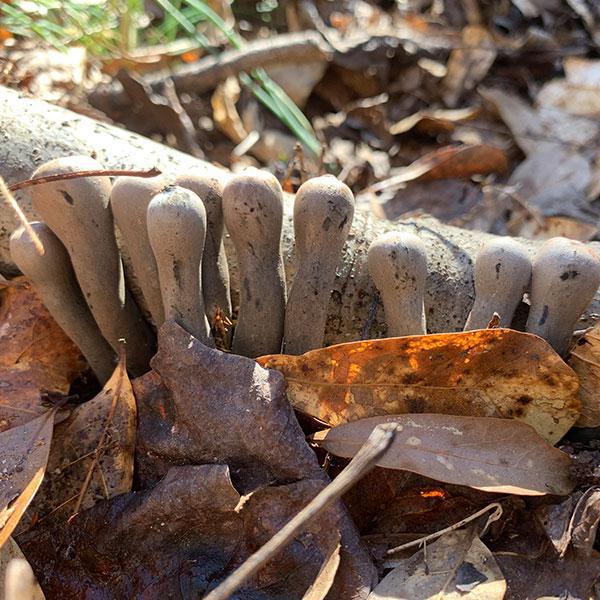
It grows naturally on hardwood logs and woody debris resting on the forest floor.
🔬 A Unique Cup Fungus
Unlike typical mushrooms with caps and stems, Devil's Urn forms dark, vase-like cups that make it immediately recognizable.
🍽️ Is Devil's Urn Edible?
Yes, Devil's Urn is considered edible.
However, it is not grown for its culinary qualities.
The fruiting bodies are:
- Very firm
- Tough
- Woody
- Mild in flavor
Many people compare the texture to cardboard.
Some cooks add Devil's Urns to soups or stews during cooking to contribute texture and then remove them before serving, much like using a bay leaf. Others enjoy experimenting by stuffing the cups with fillings such as cheese before cooking.
🌳 Where Can I Grow It?
Devil's Urn grows on hardwood, including:
- Hardwood logs
- Hardwood branches
- Large hardwood sticks
For best results:
- Use healthy hardwood logs.
- Place them directly on the ground.
- Choose a shaded woodland location.
- Allow the wood to remain moist throughout the year.
Because this species naturally fruits from wood resting on the forest floor, ground contact helps maintain the moisture it prefers.
What Makes It Special?
Devil's Urn is one of the few cultivated cup fungi available for outdoor log cultivation.
Its distinctive features include:
- Dark goblet-shaped fruiting bodies
- Early spring fruiting
- Association with morel season
- Long-lived woodland colonies
- Native North American distribution
For mushroom enthusiasts, it is every bit as rewarding to find as it is to grow.
What to Expect
- Outdoor logs commonly require approximately 8–12 months or longer to colonize.
- Fruiting typically occurs during early spring.
- Preferred fruiting temperatures are approximately 45–65°F.
- Logs should remain in contact with the ground to retain moisture.
- Properly maintained logs may continue producing for several seasons.
Patience is rewarded each spring as the distinctive black cups emerge from the wood.
🍄 How to Grow: Quick Overview
- Select healthy hardwood logs or large hardwood branches.
- Drill holes in a diamond pattern around the wood.
- Insert one colonized plug into each hole.
- Seal the holes with wax.
- Place the logs directly on the ground in a shaded woodland area.
- Keep the wood consistently moist.
- Allow the logs to colonize.
- Watch for fruiting during early spring.
Shipping & Freshness
- Includes approximately 100 colonized plugs by weight
- Available year-round
- Produced fresh for vigorous colonization
- Refrigerate until ready to use
- Do not freeze
📚 Need Help Getting Started?
-
Ultimate Guides: Growing Mushrooms on Logs
-
Log Mushroom Cultivation Troubleshooting Guide
- Zone Fruiting Map
INSTRUCTIONS