

Cauliflower Mushroom Plug Spawn - (Sparassis crispa)
Cauliflower Mushroom Plug Spawn - (Sparassis crispa)
Couldn't load pickup availability

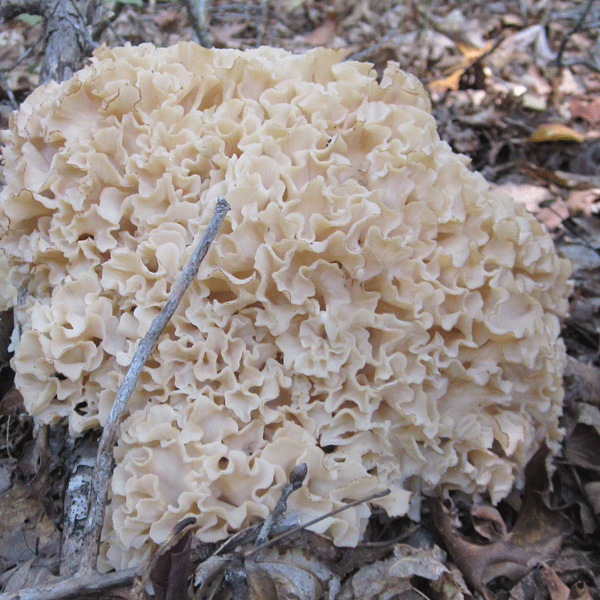
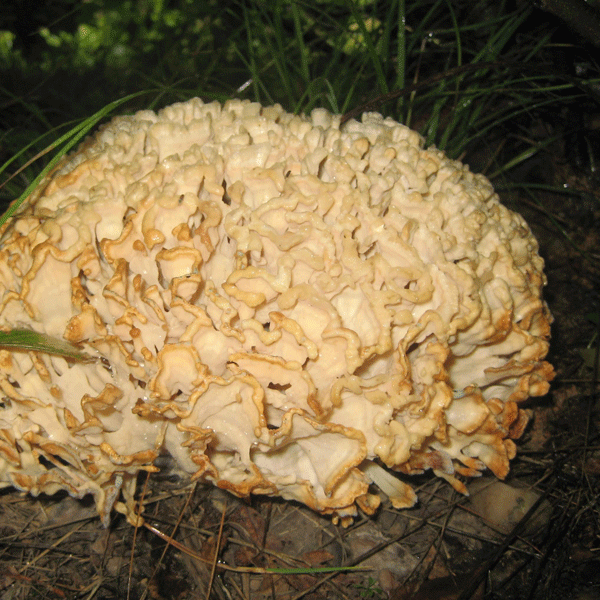
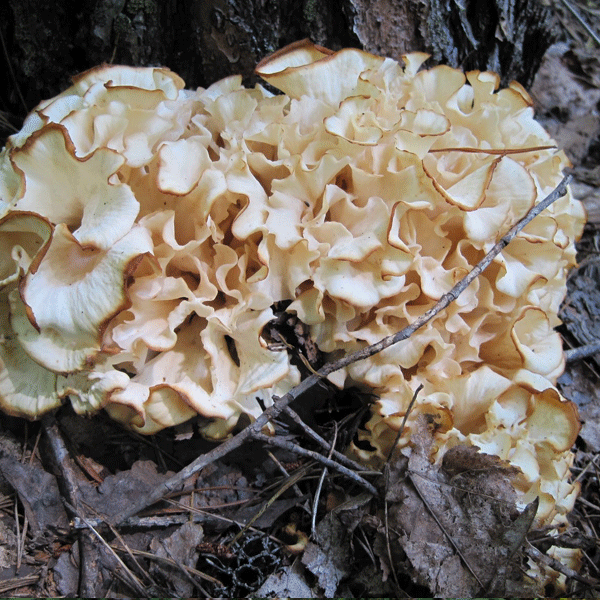
(Sparassis americana / Sparassis crispa - European appearance)
Grow a Wildly Unique Gourmet Mushroom on Pine Stumps and Buried Logs
Cauliflower mushrooms are unlike anything else in the forest. Their large, ruffled fruiting bodies resemble brain coral, egg noodles, or a pale woodland cauliflower, creating an edible mushroom that is just as fascinating to see as it is delicious to cook.
Each package includes approximately 100 colonized plugs by weight, ready to inoculate fresh conifer stumps, buried pine rounds, or suitable conifer logs.
Beyond producing a crisp, fragrant culinary mushroom, Cauliflower mushroom mycelium helps break down pine wood, create soil, and restore habitat in areas affected by logging or tree removal.
🌱 Why You’ll Love It
- 🍄 Produces large, ruffled mushrooms with an unforgettable appearance
- 🥘 Crisp, crunchy texture and fragrant flavor
- 🌲 Grows on pine and other suitable conifer wood
- 🌎 Helps decompose stumps and create new soil
- 🌿 Excellent for woodland restoration and mycoremediation projects
Why Grow Cauliflower Mushrooms?
Cauliflower mushrooms combine gourmet food production with ecological restoration.
They are loved because they are:
🍽️ Delicious
Their curled, noodle-like folds have a crisp texture that holds up beautifully during cooking.
🌲 Perfect for Conifer Wood
Unlike many cultivated mushrooms that prefer hardwood, Cauliflower mushrooms are adapted to pine and other suitable conifers.
🌎 Excellent Decomposers
The mycelium gradually breaks down stumps and buried wood, returning nutrients to the soil.
🍄 Remarkable to Harvest
A mature fruiting body can form a large mass of pale, branching folds that looks more like coral than a typical mushroom.
🍽️ What Does Cauliflower Mushroom Taste Like?
Cauliflower mushrooms have a:
- Fragrant aroma
- Crisp, crunchy texture
- Rich, slightly spicy flavor
They are excellent:
- Sautéed in oil or butter
- Added to chicken casseroles
- Stirred into soups and creamy sauces
- Mixed into pasta dishes
- Breaded and baked until crisp
- Fried in small clusters
- Added to stir-fries
Their many folds can collect forest debris, so clean them carefully before cooking.
🌲 Where Can I Grow It?
Cauliflower mushrooms prefer suitable conifer wood, especially pine.
They may be cultivated on:
- Fresh pine stumps
- Buried pine rounds
- Partially buried conifer logs
- Conifer wood left after thinning or logging
- Woodland restoration areas
This species is especially useful where pine stumps or logging debris need to be gradually broken down.
What Makes It Special?
Cauliflower mushrooms do more than produce food.
As the mycelium grows through conifer wood, it helps:
- Decompose stumps and buried logs
- Convert woody debris into organic matter
- Support long-term soil creation
- Renew habitat after logging or land clearing
- Return nutrients to the surrounding ecosystem
This makes Cauliflower mushroom plug spawn an excellent choice for growers interested in both edible mushrooms and ecological restoration.
About the Species
Sparassis americana is commonly found in eastern North America, while Sparassis crispa is primarily associated with Europe.
Both produce similar ruffled, cauliflower-like fruiting bodies and are used in similar culinary and cultivation applications.
What to Expect
- Cauliflower mushrooms are a long-term outdoor cultivation project.
- Colonization can take a year or longer, depending on the stump or log size, wood condition, climate, and moisture.
- Fruiting generally occurs during cool, moist weather.
- Once established, an inoculated stump or buried round may fruit for multiple seasons.
- The mycelium will continue breaking down the wood between harvests.
This species requires more patience than oyster mushrooms, but it rewards growers with an unusual harvest and gradual stump decomposition.
🍄 How to Grow: Quick Overview
- Select a fresh pine stump, conifer log, or thick pine round.
- Drill holes in a diamond pattern across the wood.
- Insert one colonized plug into each hole.
- Seal the holes with wax.
- Bury rounds or logs partially in a shaded, moist location.
- Keep the wood from drying out during colonization.
- Allow seasonal moisture and cooler temperatures to encourage fruiting.
When using a stump, place plugs across the cut surface and around the sides near the soil line.
Shipping & Freshness
- Includes approximately 100 colonized plugs by weight
- Available year-round
- Produced fresh for vigorous colonization
- Refrigerate until ready to use
- Do not freeze
📚 Want Step-by-Step Instructions?
ARTICLES
- Ultimate Guides: Growing Mushrooms on Logs
-
Mushroom Cultivation Troubleshooting Guide
- Zone Fruiting Map
INSTRUCTIONS