
Wood Ear Plug Spawn (Auricularia polytricha)
Wood Ear Plug Spawn (Auricularia polytricha)
Couldn't load pickup availability

(Auricularia polytricha)
Grow Crunchy, Tender Wood Ear Mushrooms on Hardwood Logs
Wood Ear is a unique gourmet mushroom prized for its pleasantly crunchy texture rather than its flavor. Popular throughout Asian cuisine, it absorbs the flavors of the dishes it is cooked with while adding a satisfying bite to soups, stir-fries, ramen, and salads.
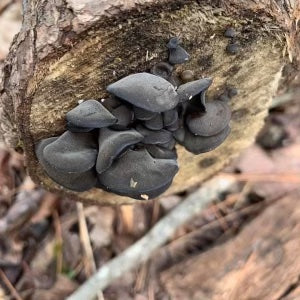
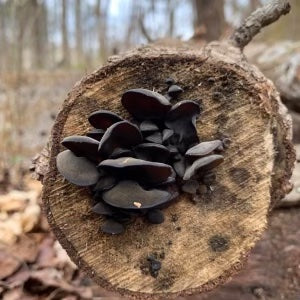
Our Wood Ear strain was cloned from a wild specimen growing in the forests of South Carolina and has been successfully tested on hardwood logs here at Mushroom Mountain. This particular strain produces darker fruiting bodies with soft gray-white hairs covering the outer surface and margins, giving it a distinctive appearance.
Each package includes approximately 100 colonized hardwood plugs by weight, ready to inoculate freshly cut hardwood logs.
🌱 Why You'll Love It
- 🍄 Wild South Carolina strain selected by Mushroom Mountain
- 🥢 Crisp, tender texture perfect for Asian-inspired dishes
- 🌳 Grows well on hardwood logs, especially oak
- 🍂 Fruits during cool to mild weather
- 🌿 Easy to add to soups, stir-fries, ramen, and salads
Why Grow Wood Ear Mushrooms?
Wood Ear is unlike almost any other cultivated mushroom.
It is loved because it is:
🥢 All About Texture
Rather than a bold mushroom flavor, Wood Ear contributes a satisfying, crunchy bite that complements countless recipes.
🍜 A Kitchen Favorite
Its ability to absorb surrounding flavors makes it an excellent ingredient in broths, soups, noodle dishes, and stir-fries.
🌳 Well Suited to Outdoor Log Cultivation
Wood Ear performs well on hardwood logs placed in shaded, humid outdoor environments.
🍄 A Beautiful Native Selection
This Mushroom Mountain strain was collected from the forests of South Carolina and selected for outdoor log cultivation.
🍽️ What Does Wood Ear Taste Like?
Wood Ear mushrooms have:
- A very mild, neutral flavor
- Crisp, slightly chewy texture
- Excellent ability to absorb sauces and seasonings
They are excellent:
- In ramen
- Added to soups
- Stir-fries
- Fried rice
- Asian noodle dishes
- Fresh salads
- Dumplings
- Hot pots
Their unique texture is what makes them such a popular ingredient around the world.
🌳 Where Can I Grow It?
Wood Ear grows best on hardwood logs, especially:
- Oak
- Other healthy hardwood species
For best results:
- Select freshly cut hardwood logs.
- Place inoculated logs in a shaded location.
- Maintain consistent moisture during colonization.
- Protect the logs from prolonged drying.
What Makes It Special?
This strain was:
- Collected from the wild forests of South Carolina
- Cloned and evaluated at Mushroom Mountain
- Selected for successful outdoor log cultivation
Unlike the more commonly encountered Wood Ear species, this strain develops:
- Darker fruiting bodies
- Soft gray-white hairs on the outer surface
- Distinctive fuzzy margins
Its unusual appearance makes it just as attractive as it is delicious.
What to Expect
- Outdoor logs commonly require approximately 8–12 months or longer to colonize.
- Wood Ear typically fruits during cool to mild weather.
- Fruiting generally occurs between approximately 50–70°F.
- Established logs may continue producing mushrooms for several seasons.
- Colonization and fruiting time depend on wood species, moisture, climate, and growing conditions.
Because Wood Ear often fruits after periods of rain, maintaining adequate moisture is important for reliable production.
🍄 How to Grow: Quick Overview
- Select healthy, freshly cut hardwood logs.
- Drill holes in a diamond pattern around each log.
- Insert one colonized plug into each hole.
- Seal the holes with wax.
- Place the logs in a shaded, humid outdoor location.
- Keep the wood consistently moist during colonization.
- Watch for fruiting after rainy periods and during favorable temperatures.
Shipping & Freshness
- Includes approximately 100 colonized plugs by weight
- Available year-round
- Produced fresh for vigorous colonization
- Refrigerate until ready to use
- Do not freeze
📚 Need Help Getting Started?
ARTICLES
-
Ultimate Guides: Growing Mushrooms on Logs
-
Log Mushroom Cultivation Troubleshooting Guide
- Zone Fruiting Map
INSTRUCTIONS
