
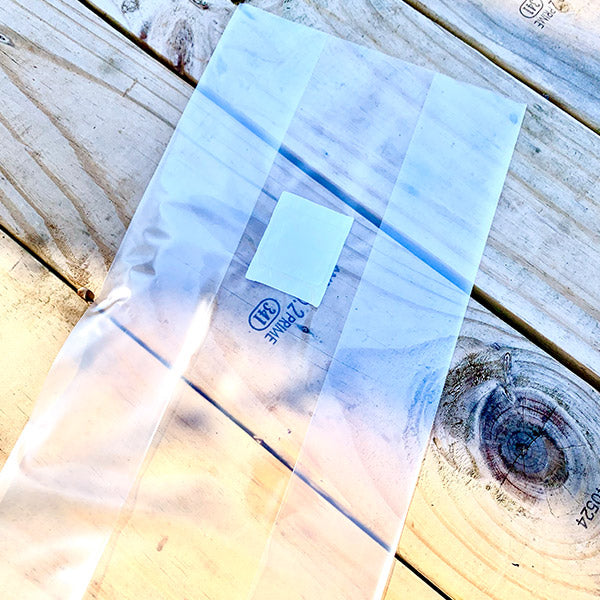
Autoclavable BioDegradeable Gusseted Bags - Type 3T
Autoclavable BioDegradeable Gusseted Bags - Type 3T
Couldn't load pickup availability
Professional Mushroom Cultivation Bags with 0.2-Micron Filter
Designed for mushroom cultivation, these Type 3T gusseted grow bags are made from durable 2.2 mil polypropylene and can withstand the high temperatures required for sterilizing mushroom substrates.
The built-in 0.2-micron filter patch allows gas exchange during colonization while providing fine filtration to help protect sterilized substrate from airborne contaminants.
Their gusseted design expands as the bag is filled, making them ideal for preparing grain spawn, supplemented sawdust blocks, and other sterilized mushroom substrates.
🍄 Great For
- Grain spawn
- Sterilized supplemented sawdust
- Mushroom fruiting blocks
- Hardwood-based substrates
- Indoor mushroom cultivation
- Home and commercial mushroom farms
🔬 0.2-Micron Filter Patch
Each bag includes a 1.5" × 1.5" Type T filter patch rated at 0.2 microns.
The fine filter allows the growing mycelium to breathe while the bag remains closed during colonization.
♨️ Autoclavable
These polypropylene bags are designed for sterilization, making them suitable for use in an autoclave or pressure sterilizer when preparing mushroom substrates.
After sterilization, allow the substrate to cool completely before inoculating.
🌱 Biodegradable Design
These bags provide the durability needed during mushroom cultivation while offering a biodegradable alternative to conventional mushroom grow bags.
📦 What's Included
20 Type 3T Gusseted Bags
Bag Specifications:
- Size: 8" × 5" × 19"
- Material: 2.2 mil polypropylene
- Filter size: 1.5" × 1.5"
- Filter type: T
- Filter rating: 0.2 micron
- Hole: L
- Quantity: 20 bags
⚠️ Sterile Technique Required
After sterilization, bags should be handled and inoculated using appropriate clean or sterile technique. The filter helps protect the substrate during colonization, but it does not eliminate the need for proper laboratory practices.
